Telegram Reclaims The Original Gram: A Sovereign Pivot To Web3 Control

The Sovereign Messaging State: Why Telegram's Reclamation of Gram Redefines Platform Monopolization
A messaging app just claimed custody of its blockchain, calling it decentralized evolution.

The transition of Toncoin back to its original name, Gram, is far more than a nostalgic branding exercise. It signals the completion of a corporate re-absorption where a 900-million-user messaging giant officially subsumes a sovereign Layer-1 blockchain network. By executing the latest phases of his "Make TON Great Again" (MTONGA) initiative, Pavel Durov is aggressively dismantling the illusion of network independence that has characterized the ecosystem since its forced detachment half a decade ago.
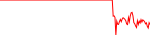
We are witnessing the birth of a unified platform-state. Historically, blockchain networks have struggled to acquire distribution, while Web2 platforms have struggled to integrate native, censorship-resistant economic systems. By officially re-entering the fold as the network's largest validator, replacing the independent TON Foundation, and rebranding the token to Gram, Telegram is daring regulators to reopen the battlefront of 2020. With the asset trading around $2.02—representing a modest 5% climb over the last seven days—the market is quietly pricing in this unprecedented consolidation of corporate and cryptographic power.

🌐 The Birth of the Sovereign Platform-State
To fully grasp the magnitude of this shift, one must understand the structural conflict between global regulatory bodies and monolithic communications platforms. When the SEC halted the original Gram token distribution in 2020, it did so under the assumption that a private company could not dual-wield a global communication network and a sovereign monetary system. The subsequent handoff to "independent contributors" was a necessary legal dance—a temporary theater of decentralization designed to let the technology mature in the shadows.
What this signals is a deliberate, highly calculated shift toward corporate sovereignty. Now, with the launch of the multi-step MTONGA roadmap, the mask is off. The initial steps of the initiative focused on upgrading the network's transaction throughput and slashing fees, setting the technical foundation for mass retail utilization. However, the subsequent step, which positioned Telegram as the network’s largest validator, fundamentally altered the governance equation. Durov’s claim that this centralization "strengthens decentralization" by acting as a counterbalance is a masterclass in narrative spin, masking the reality that the network's consensus is now tethered to a single corporate entity.

"Distribution is the ultimate validator of blockchain utility, but it demands the sacrifice of pure consensus decentralization."
📈 Weaponizing Distribution: The Liquidity Gravity Well of Gram
If this structural integration continues at this pace, the immediate impact on global digital asset distribution will be felt far beyond simple token rebrands. Unlike traditional Layer-1 blockchains that must build liquidity and user trust from scratch, Gram possesses an immediate, friction-free gateway to nearly a billion active users. This creates an economic gravity well that few protocols can compete with, shifting the battleground from protocol architecture to native user access.
The integration of the non-custodial wallet into the core messaging app interface has effectively bypassed the traditional friction of Web3 onboarding. Users are not interacting with complex decentralized applications; they are transacting within their daily chat interfaces. This behavioral lock-in means the rebranded token is poised to capture the lion's share of microtransactions, creator monetization, and peer-to-peer payments. However, the concentration of validator power within the parent company's infrastructure introduces a critical structural vulnerability: the entire network's uptime and regulatory compliance are now inextricably linked to the legal destiny of a single platform.
"A network with nearly a billion integrated users does not negotiate with the crypto industry; it dictates the terms."
🏦 The Central Bank of Telegram: Anatomy of a Platform Monopoly
Given this aggressive consolidation of platform power, we must look to historical financial market structures to understand the endgame of such centralization. This dynamic mirrors the 1880 corporate town of Pullman, Illinois, where a single manufacturing company owned the housing, the utilities, the retail shops, and issued its own private currency—scrip—to employees. The company argued that this total integration provided unmatched efficiency and social stability, acting as a benevolent coordinator for its community.

The ultimate failure of the Pullman model arose when the economic interests of the corporation clashed with the basic liberties of the citizens, leading to a historic labor strike and eventual government intervention to break up the company’s monopoly. In my view, Telegram's absorption of the validator pool and the reclamation of the token branding is the digital equivalent of issuing corporate scrip. By acting as both the primary communication highway and the dominant transaction validator, the platform is constructing a closed-loop economic ecosystem where users have no choice but to operate under the rules, fee structures, and censorship parameters set by a centralized authority.
Today, the mechanism is identical, but the scale is global. Unlike the localized company towns of the industrial era, a digital platform-state operates across sovereign borders, complicating the efforts of any single regulatory body to enforce antitrust or securities laws. The risk is no longer just a localized strike, but a systemic platform-wide outage or targeted asset freeze that could instantly paralyze the financial activity of millions of users who rely on the ecosystem for daily commerce.
| Competing Force | The Irreconcilable Friction |
|---|---|
| Telegram (Sovereign Platform) vs. Node Operators (Protocol Purists) | 🔁 Trading censorship resistance for friction-free retail distribution scale. |
| ⚖️ Pavel Durov (MTONGA Strategy) vs. Regulatory Watchdogs (SEC/ESMA) | 💰 Asserting platform-level sovereignty over national capital market jurisdictions. |
🔮 The Post-Toncoin Era: A Sovereign Regulatory Collision Course
If the structural lessons of corporate monopolies hold true, the future of Gram will be defined by an intense regulatory game of chicken. With three remaining steps left in the MTONGA roadmap, the market is highly speculative about how far the platform will go to integrate financial features directly into the chat interface. The threat of regulatory pushback remains the primary headwind for long-term valuation stability.
As the token cements its status as the default medium of exchange within the application, it will inevitably draw the scrutiny of banking and monetary authorities who view private, platform-native currencies as a threat to sovereign capital controls. Furthermore, the platform faces constant platform-risk from centralized application stores like Apple and Google, which have historically weaponized their guidelines to restrict native, non-custodial payment rails that bypass their hefty commission structures. Investors must evaluate the ecosystem not as a standard decentralized blockchain, but as a high-stakes bet on a private corporation's ability to defend its economic borders against both state actors and mobile ecosystem monopolies.
The transition back to the original token branding is the opening salvo of a new market regime where Web2 scale openly cannibalizes Web3 infrastructure. __T0__

As the corporate parent continues to absorb validator control, the native token will likely experience heightened short-term utility and user adoption, but at the cost of a mounting regulatory risk premium. __T0__
__T0__ A massive digital platform that commands a scale, user base, and economic ecosystem comparable to sovereign nations, often issuing its own currency and enforcing internal governance rules.
__T0__ A historical term for private currency issued by a company that is only redeemable within the company's own ecosystem or town, creating an economic closed-loop.
__T0__ The structural positioning of a massive, trusted entity within a validator pool to prevent smaller malicious actors from coordinating a network takeover.
- If Telegram-controlled validator share crosses the majority threshold → this triggers a transition to an institutional risk-off custody paradigm.
- If mobile application store guidelines restrict native in-app payments → the platform-state utility thesis undergoes a defensive structural re-evaluation.
- If transaction velocity outpaces wallet growth by a multiple of three → expect a highly volatile speculative trading regime.
— Jean-Baptiste Alphonse Karr
This analysis is synthesized from aggregated market data and institutional research insights. It is provided for informational purposes only and should not be construed as financial advice. Cryptocurrency investments carry high risk; please conduct your own due diligence before making any investment decisions.
Crypto Market Pulse
June 3, 2026, 07:41 UTC
Data from CoinGecko

