Galaxy Digital Takes Huge Debt Load: Cruel 346M Dollar Interest Drag

The High-Yield AI Pivot: Decoding Galaxy’s $3.5 Billion Power Play
Crypto firms are borrowing at junk-bond yields to build data centers for artificial intelligence.

A subsidiary of Galaxy Digital has priced $3.507 billion in senior secured notes carrying a heavy 9.875% coupon. This transaction creates an annual interest load of approximately $346.3 million to finance the Helios data center buildout in Texas.
The project encompasses 400 megawatts of utility capacity, with tenant CoreWeave committing to 260 MW of critical IT load. While Phase I is already operational, Phase II data-hall deliveries expected in the first half of 2027 establish a tight operational timeline where any delay directly erodes equity returns.
⚡ The High-Yield Cost of Monetizing Megawatts
When capital costs approach double-digit interest rates, project finance ceases to be a passive real estate operation. High-performance computing demand has triggered an intense global rush for grid interconnects, driving digital asset institutions to aggressively leverage their energy footprints.
Ring-fencing debt at the project subsidiary level insulates parent balance sheets, but it squeezes operational flexibility. What this signals is that monthly delays in bringing online new compute halls bleed cash through hundreds of millions in debt service before principal amortization even begins.

"Power contracts without operational compute are simply liabilities carrying high-yield interest rates."
The structural transition from pure-play bitcoin mining to high-performance compute landlord relies entirely on long-term lease commitments. However, the timing mismatch between fixed semiannual interest obligations and future operational cash flows creates a narrow margin for error.
🏗️ The 1998 Telecom Debt Playbook and the Dark Fiber Trap
If this high-yield project financing structure feels familiar, it is because energy-to-compute conversion is repeating the structural blueprint of the late-1990s fiber optic expansion.
During the 1998 telecom infrastructure boom, network operators raised massive sums through senior secured junk bonds to lay transcontinental dark fiber, securing long-term capacity leases with emerging enterprise clients. In my view, today's race for high-voltage power interconnects mirrors that historical dynamic: developers are heavily leveraging project assets to build physical infrastructure years ahead of full cash-flow operationalization.
The primary vulnerability of that late-90s telecom buildout was not a lack of long-term demand for bandwidth, but the severe timing mismatch between immediate debt servicing and delayed revenue generation. Strip away the modern artificial intelligence framing, and current project issuers face that exact same friction point—carrying enormous annual interest burdens while navigating multi-phase facility handovers.

| Competing Force | The Irreconcilable Friction |
|---|---|
| Bondholders (Yield Priority) vs. Project Subsidiary | Servicing fixed coupons before facility completion creates severe timing exposure. |
| Anchor Tenant Leases vs. Power Grid Delivery | Execution delays risk contractual penalties while reserved power incurs holding costs. |
📉 Capital Shifts from Token Speculation to Physical Compute
Given the timing tensions inherent in high-yield project finance, capital allocation across the broader digital asset sector is undergoing a permanent structural realignment.
Institutional capital is increasingly prioritizing physical power assets and grid queues over pure token market exposure. The pattern suggests that public markets are re-valuing digital asset infrastructure providers as specialized industrial real estate operators rather than high-beta crypto proxies.
"Wall Street is re-pricing digital asset miners not on hash rate, but on transformer capacity and grid queue priority."
The broader market impact extends directly to debt capital markets. Private credit funds and high-yield bondholders are absorbing liquidity that historically cycled through crypto derivative markets, locking up institutional capital in multi-year physical infrastructure commitments.
The market is rapidly approaching an operational inflection point where energy-rich digital asset firms must prove their infrastructure execution capabilities. Firms that successfully bridge the multi-year construction gap will secure the physical computing backbone for the next generation of institutional tech.
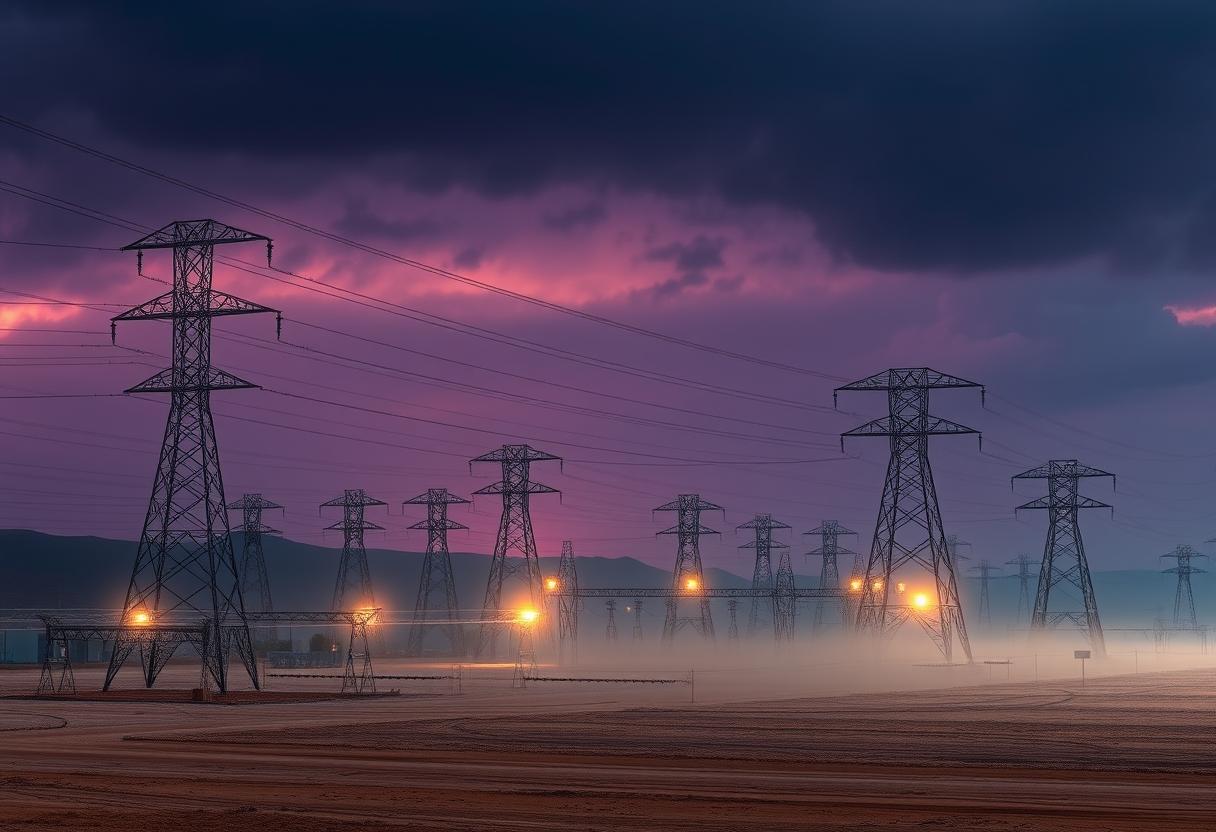
However, unexpected grid interconnect delays or hardware supply bottlenecks could transform balance sheets into liquidity traps. Expect market consolidation as well-capitalized hyperscalers acquire debt-burdened data hall assets at substantial valuation discounts.
⚖️ Senior Secured Notes: High-priority debt instruments backed by specific physical assets, granting lenders primary claim over project equity in the event of default.
⚡ Critical IT Capacity: The precise volume of electrical power allocated exclusively to running compute servers, excluding total utility site overhead.
🛡️ Ring-Fencing: A corporate structure that legally isolates a specific project's debt and operational liabilities from the parent balance sheet.
- If project facility delivery schedules slip past disclosed milestone dates → execution risk triggers downward equity re-valuation.
- If high-yield corporate bond spreads widen significantly → refinancing options tighten substantially for capital-intensive infrastructure operators.
- If power purchase agreement rates exceed tenant lease margins → operational debt coverage ratios shift toward defensive restructurings.
— Calvin Coolidge
This analysis is synthesized from aggregated market data and institutional research insights. It is provided for informational purposes only and should not be construed as financial advice. Cryptocurrency investments carry high risk; please conduct your own due diligence before making any investment decisions.
Related Intelligence

Eurozone QT Starves Bitcoin Liquidity: The 52B Capital Vacuum

Bitcoin Plunges As Oil Price Shocks: Geopolitical energy shocks expose the fragile liquidity mechanics of risk assets as yields reprice.

Congress shields dormant Bitcoin keys: Federal override of state law

Tron price floor relies on buybacks: The Treasury Liquidity Illusion

Debt forces corporate Bitcoin sales: Long-Term Treasury Illusion